Plotting the Progress of No Dig

Yesterday, when the sun came out unexpectedly (at least for me and the BBC forecast), I made a short visit to see the plot. Last time it had been frozen solid and it was difficult to tell what it was like under the icy glitter. In the warmer sunlight, it definitely looked encouraging and the cardboard, no dig mulch seems to have been more successful than I had hoped.

Last Spring and Summer when I was working full time and couldn’t see a way to set out and dig all the remaining beds, I made a decision to lay out narrow paths with weed suppressing membrane and cover the future beds in layers of cardboard. I based this on my reading of Charles Dowding’s No Dig method from his books and articles, but as I realised soon afterwards I had misremembered the approach a little so wasn’t totally optimistic about it working. Instead of making lasagne type layers with compost and cardboard I mostly just used cardboard. This felt satisfying in terms of positive recycling, but wasn’t quite the right recipe.

IMG_0123[1]

A good use for cardboard packaging


Even though the plot is quite small, the soil on the plot is quite different in different parts and the beds I covered in cardboard had grass, dandelions and the longest orange rooted docks I have ever seen. Throughout the Summer and into the Winter the cardboard looked quite ugly and squelchy and seemed to be breeding slugs.

IMG_0900[1]

A squelchy cardboard mess

Where I had compost to cover it and the cardboard was hidden was fine – at least in appearance as I wasn’t sure what was going on underneath.

IMG_0136[1]

My version of no dig

It was surprising and positive to see when inspecting the beds yesterday, that the surface of the soil was pretty clear and the cardboard had disappeared leaving ribbons of plastic packaging to be gathered up. Yes, there were still some docks and small clumps of grass, but these could be hand weeded from the paths very easily. The soil was also  noticeably packed with worms which suggests its good health.

The plan with these no dig beds is to use them mostly for dahlias and see how it goes. This will mean that I can weed them and stick to no dig, just making planting holes for the plants. Lets hope this works as I have bags and bags of dahlia tubers arriving soon.

And today I joined the WFGA which organises a fantastic range of courses at good prices; so come early May, I will be going to Somerset to learn about No Dig gardening from Charles Dowding  the expert himself. Can’t wait for that – I’ll be the one taking diligent notes …


Posted in Uncategorized | Tagged , , , , , , | 1 Comment

Bags of Beans

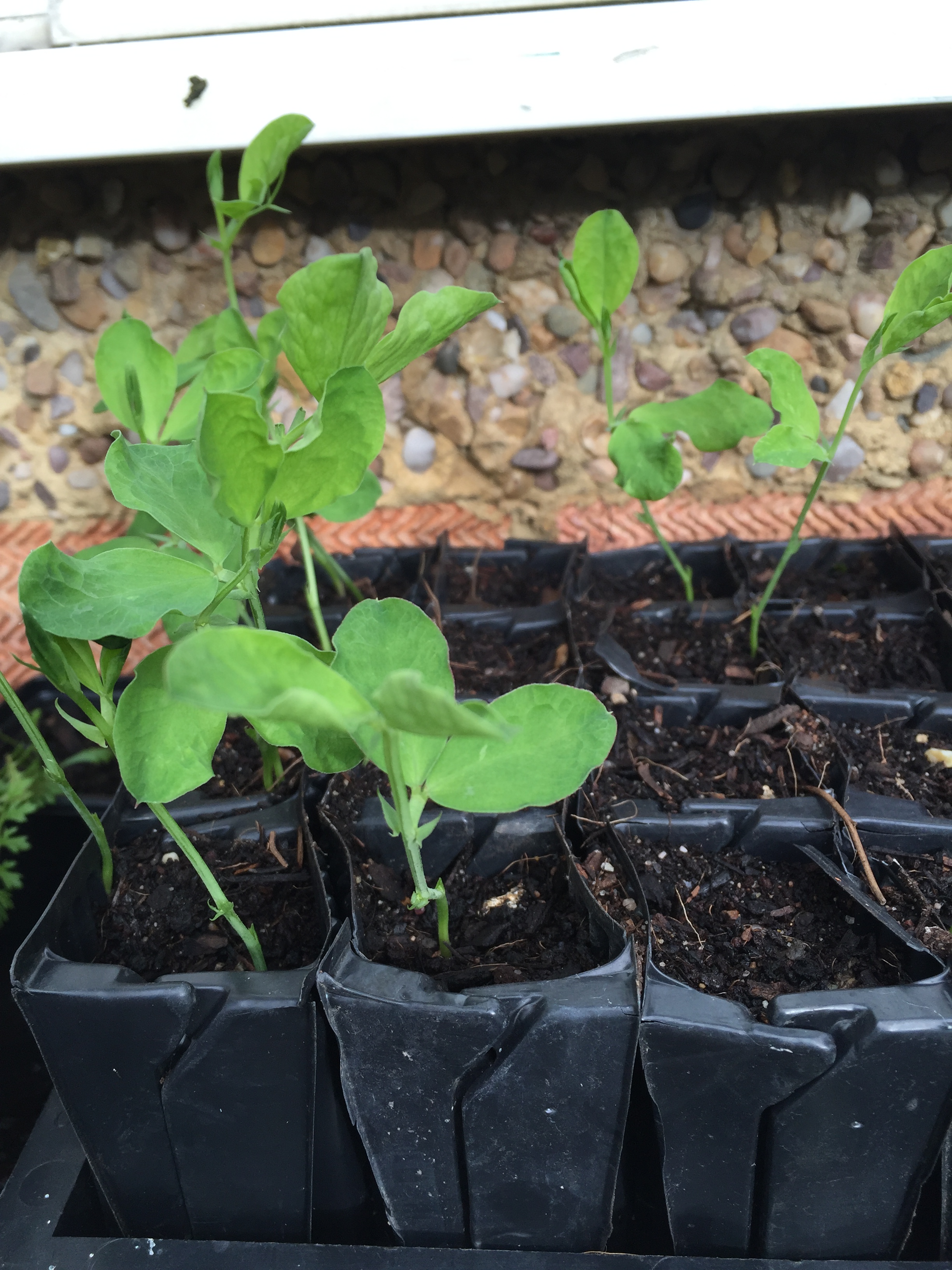
Another wet and wildly windy week has just gone, so going out to mulch beds at the plot was not at all appealing. Tempting to carry on planting sweetpeas as they are germinating so obligingly, but even I can see I have enough for now. Will wait until March before sowing the next batch of Mollie Rilestone, April in Paris and others.

IMG_1532[1]

Sweetpeas germinating reliably

Last week remembered the technique that I used last year of using a small plastic bag with damp compost to sprout my broad beans before sowing. So tipped an old packet of crimson flowered broad bean seeds in  a small freezer bag of compost and shook them around before tying the bag closed. Then kept this inside in warmth and within a week all but 3 had sprouted which meant I could pot them up for planting out next month. This seems a time, space and compost efficient way of testing what is going to germinate, and I am going to try it with my other  slightly aging pea and broad bean seeds this week.

IMG_1534[1]

A bag of damp compost with Hurst Green Shaft peas 

For the plot, I have made an early sowing of consolida larkspur ( dark blue) and am going to follow this up with white and mixed as they are truly lovely and I have never grown enough. Despite the advice, I have never tried putting a packet in the freezer for a week before sowing and this time I will experiment and see if it makes a difference. Think these seeds probably prefer to be direct sown, but will see if modules work. Despite today’s gentle sunshine,  Spring  still feels far off, but I will hold some larkspur seeds back to direct sow when there is some warmth in the soil.

Have spent quite a time keenly examining my seed packets to see what can be planted inside in February and Violas can, so these and cowslips and anything else that can be planted early will be sown over the next week, before I get going with the tomatoes the week after – this is always an exciting marker of Spring getting closer.

Little pots of chillies – from the yellow ferociously hot to milder Hungarian Wax- have been sown to be planted in the greenhouse this Summer; also tomatillo, chocolate peppers and two different types of aubergine. This summer will be the first time ever that I will have the chance to plant tender crops under glass and I think I might be going a little bit mad. If all the seeds germinate, the pots will be spilling back into all the windowsills in the house which was definitely not the plan. It is spirit raising to see signs of Spring starting to gather around me from the pelargoniums which are wanting to get going again to the newly germinated sweet peas.

IMG_1533[1]

Pelargoniun waking up from Winter and showing a cheerful red 

Posted in Uncategorized | Tagged , , , , , , | Leave a comment

Splashes of Colour

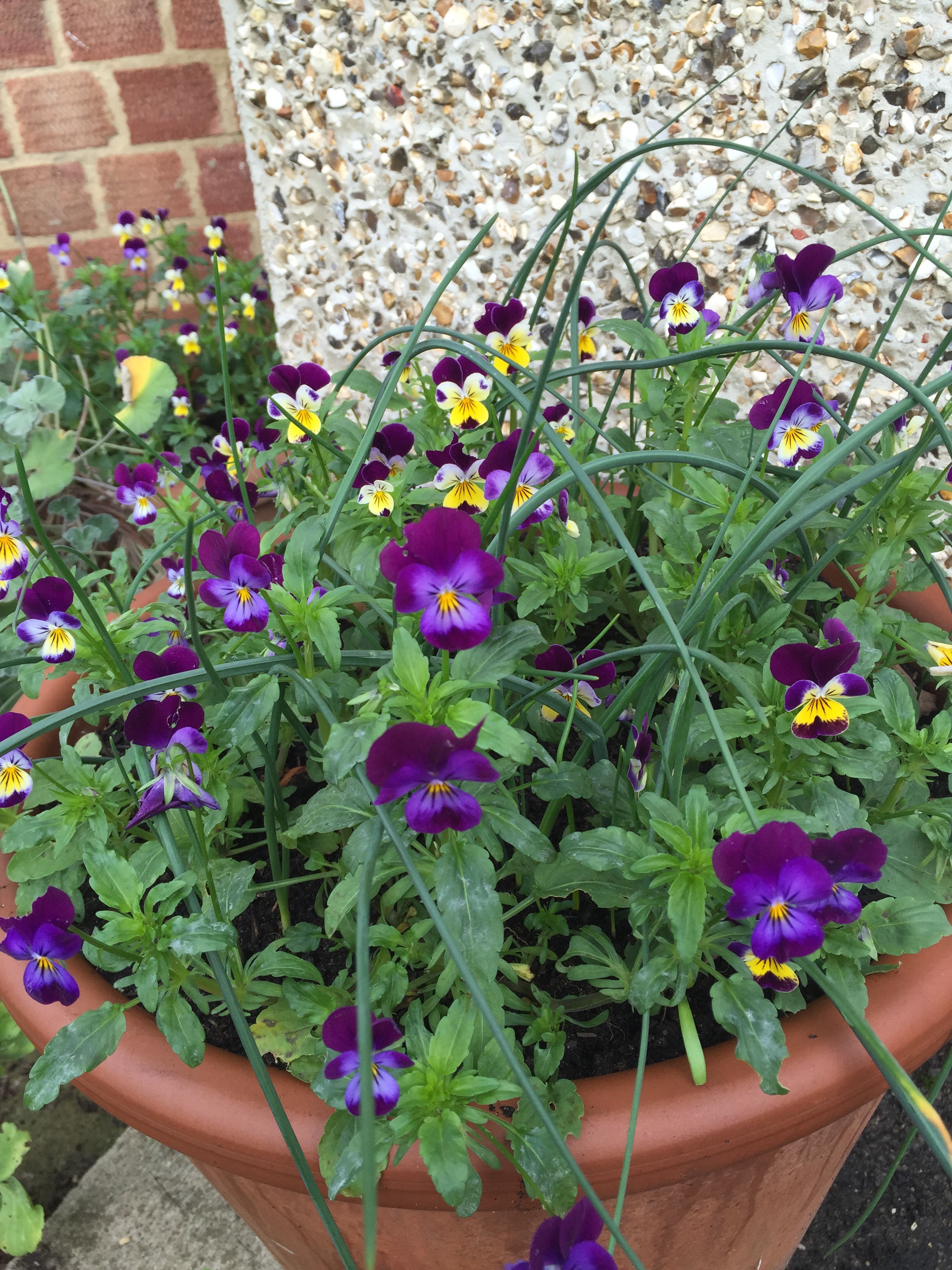
The grey, damp and windy weather has settled back, but the cold week of frost seems to have wiped out most of the flowers which had survived the odds until after Christmas. Now the blues, purples and reds of the salvias are definitely gone until summer and so any rare small splash of colour catching the eye gives a reminder of spring and a burst of hope. At first glance, there isn’t much to enjoy: the multiple pots of narcissi are growing and in bud, but no colour there apart from one bright trumpet too short to pick. However, just by the door the blue flowering of the rosemary is lovely and the viola Heartsease may look ragged and leggy , but the edible flowers are as cheerful as they have been all winter long.

IMG_1508[1]

Heartease violas – just keep going

In the back garden there is more to see with the hellebores and primroses abundant and mostly resisting the battering they are getting from the winds. While the vinca, sheltered by the fence, doesn’t seem to notice the weather at all.

IMG_1515[1]

Resilient vinca

The snowdrops are lovely nodding heads of white and green which we can see from the kitchen window. And when you look more carefully, there is the pink and blue emerging of the stalwart pulmonaria. Not sure there is much to be done here as a flower grower, though I am tempted to pot up some primroses so that I can see them closer up.

IMG_1514[1]

The delicate flowers of the common primrose

Meanwhile, hellebores floating in bowls is the nearest I can get to picking flowers from the garden and they are beautiful to look down on.

IMG_1524[1]

Free flowering hellebores

At the plot very little is showing – the daffodils much further behind than the ones here in pots. February seems as if it could be a very long month in the dull drizzle of today. Best antidote will be to actually get on with planting the seeds I keep meaning to plant and plan the plots so I am ready to start when the gloom lifts.

Posted in Uncategorized | Tagged , , , , , , , | Leave a comment

Planning the Different Plots

Here is last week’s unposted (until now) post:

A new year and only slowly surfacing from flu, it’s time to think about the developing plot and its flowers as well as the other plots and places I grow in, with a hope that this year there will be an overall plan that works for all of them without one suffering complete neglect.

Last year it was the allotment which got thicker with weeds and worst still didn’t get planted up enough to be properly productive. This meant a colossal waste of time and energy – not only mine –  as we dug it over only for it to get tangled with weeds again, before going back to where we began and digging again. So it is time to make a plan for this growing season to make sure I don’t remember things just a little bit too late. So here is the plan for the week or so remaining in January

Indoors and in front of the fire:

  1. Sort out my seeds and try hard to be ruthless about throwing away any that are out of date (that will be include the parsnip seeds I have bought fresh every year and not sown and the very old seeds of annual flowers still hoarded in the bottom of my seed tins year after year).
  2. Order only the seeds that are genuinely going to be used – not a quirky experimental mix that won’t get planted, let alone picked. Antirrhinum, chillies are top of the list to buy.
  3. Draw up a planting calendar to make sure seeds are planted at the best time.

Outdoors and in the greenhouse:

  1. Plant up all the broad beans seeds left, to make a good long row at the allotment and to have leftovers to sell at the early spring stalls at the Farmers markets.
  2. Use any sizeable pot to plant up the bag of daffodil bulbs I found hiding in the shed. They are surprisingly still stout and firm so should flower – if a bit later.
  3. Plant more sweetpea seeds to ensure a longer season at the developing flower plot and make sure that I add some bolder colours to add some depth and richness to my bunches.
  4. Sow antirrhinum seeds – Night and Day.

IMG_0881[1]

One of the striking antirrhinum from last year.

Visited the frozen plot this week which was glittering with frost and ice so impossible to do anything there yet. Warmer this week so hopefully a chance to mulch at least. If it stays dry. the roses might actually get planted as advised: close together to encourage good long stems for cutting.

And what has been done of all this planning as I read over this on first day of February? Not much! Though sweetpeas and bulbs are mostly planted – the latter to be dug up again and stolen by squirrels. When is it they hibernate exactly? So Feb will be for broad beans and the other jobs, while I take a rest from sweetpea planting until March for the final fling.


Posted in Uncategorized | Tagged , , , , | Leave a comment

Reviewing the Plot

Christmas, New Year’s travels and week long flu have all meant almost nothing has been done since half way through December to develop the plot. Even getting to it hasn’t been possible. The last plot related activity was a Homesown stall at the Farmers’ Market in Wolvercote where the terracotta pots of iris reticulata, crocus and Paperwhite Narcissi sold very well on a festive morning.

Anything practical that has been done has mostly been done in the shelter of the new greenhouse in a snatched few minutes here and there, usually just before dark. So there are a multitude of sweet peas sown in October and November which are steadily growing at different stages. Hi Scent predominate but there are also mixed colours from Sarah Raven so there should be some variety.

sweet peas growing steadily

Sweet peas growing steadily

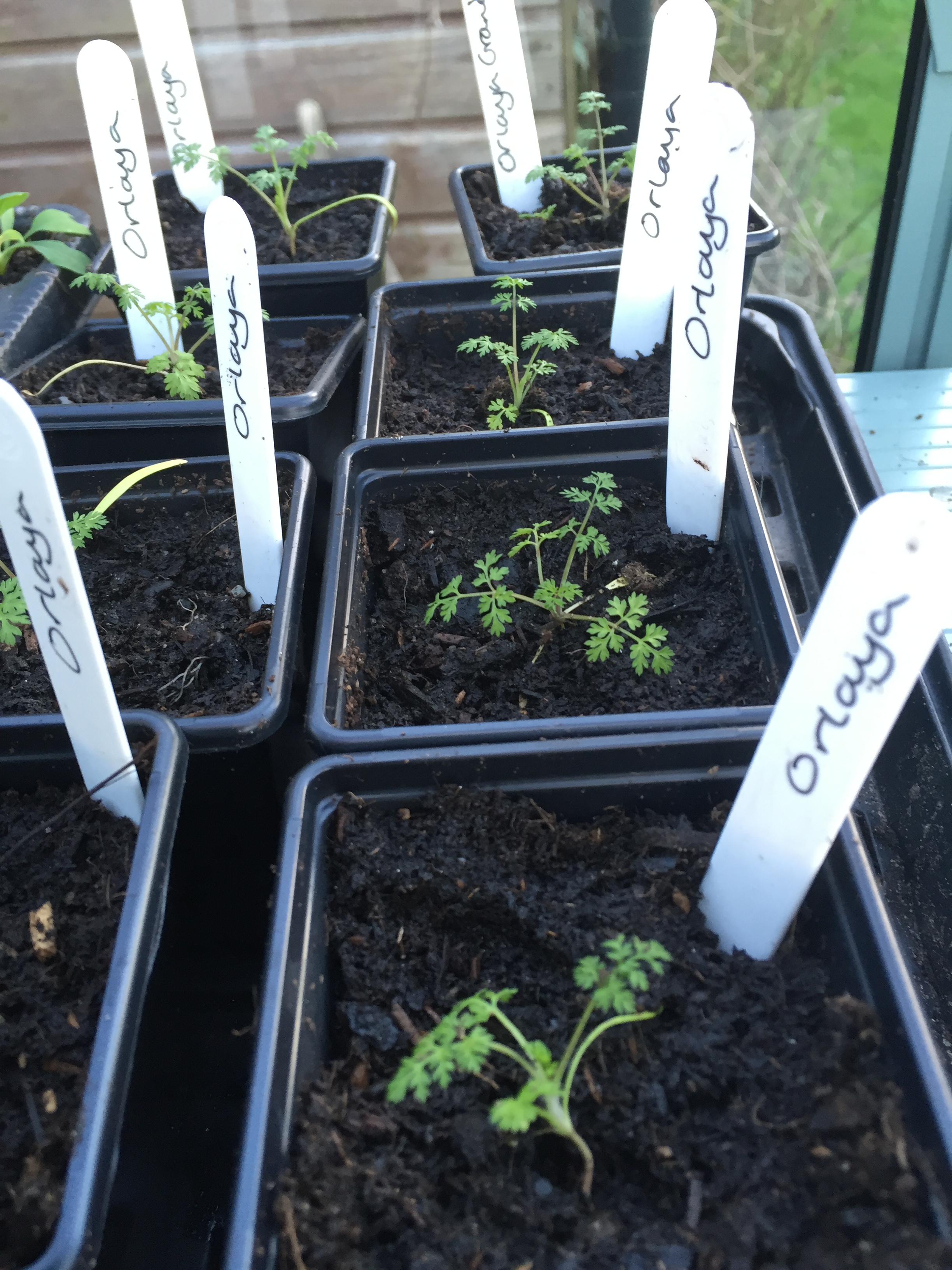
There are also some hardy annuals such as Orlaya Grandiflora and Larkspur with cornflowers blue and black. These all look pretty healthy as do the bupleurum  seedlings and the salvia cuttings. Despite it getting gradually colder, the salvias are already starting to show white roots at the bottom of their pots, so gently and steadily potting on has been a satisfying afternoon’s work.

Small but sturdy orlaya just potted on

Small but sturdy orlaya just potted on


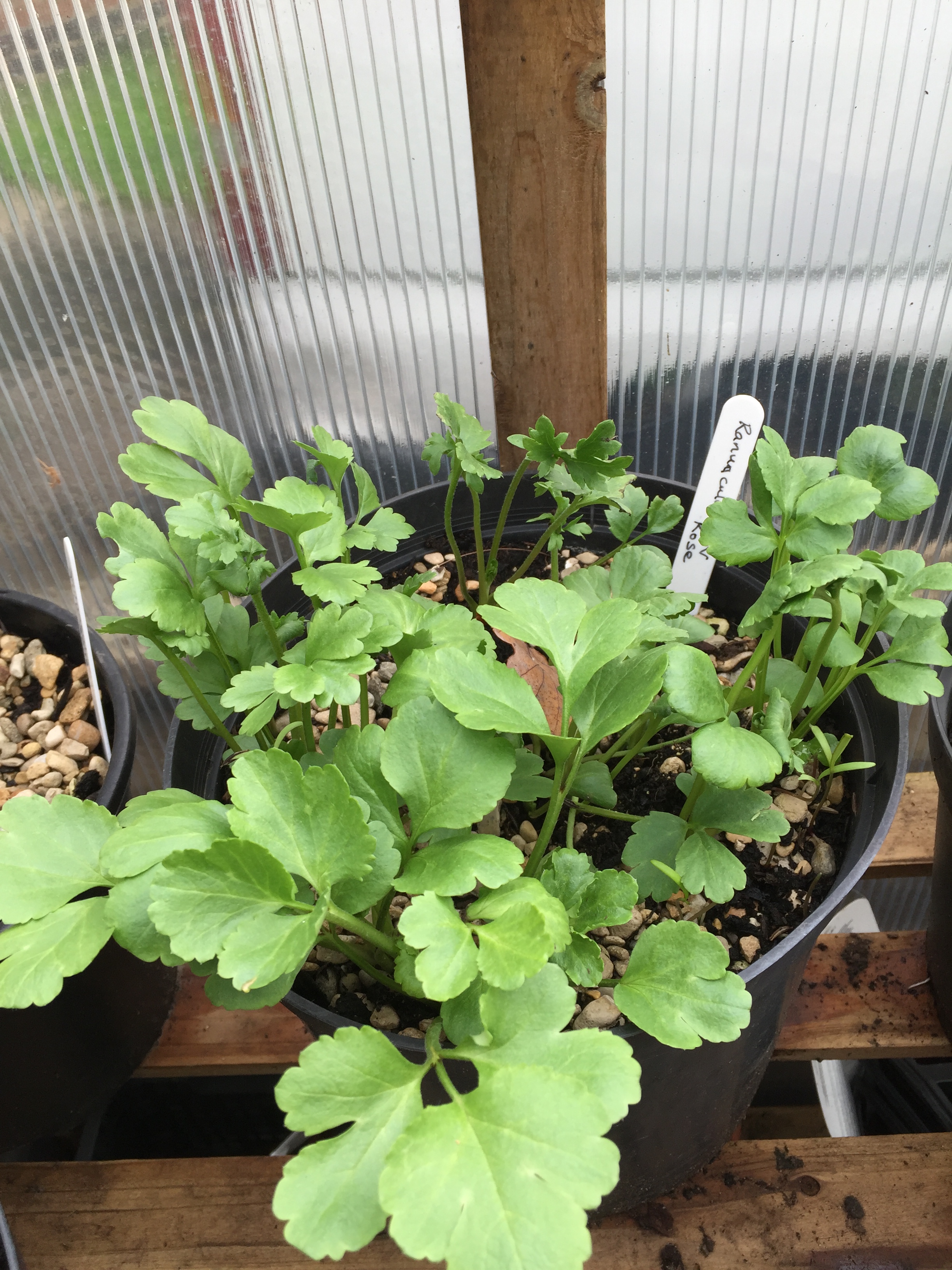
Less happy are the pots of the ranunculus (lots of them) planted in the Autumn. This is the second year that I haven’t been able to grow them successfully and perhaps now the last year that I will try for awhile. Some haven’t shown any signs of growth at all while others are looking quite feeble. The pots outside are looking better than those under cover, but unless there is a sudden spurt of growth in Spring I will not be buying them again. Such a pity as they look like beautiful small peonies. Anenomes have been shy to grow too, but there are a few, fragile flowers starting to nudge through.

IMG_1497[1]

An early unfurling of colour

Some experiments are proving more positive with the tentative sowing of Bill Wallis hardy geranium seeds yielding almost 100% success. They all germinated nicely when I wasn’t paying attention and were a perky surprise when I noticed them recently. Think I will neglect them a little longer until they need potting on out of their plugs.

IMG_1490[1]

Small Bill Wallis hardy geranium seedlings

 Bare rooted roses have been ordered and have arrived ready to be planted. They will have to take whatever weather is thrown at them, but even if the flowers aren’t perfect enough for bunches, they will look lovely growing at the plot. These are lovely fragrant and colourful ones from David Austin. Dahlias are on order and the next step is to organise my numerous packets of seeds and to work out what should be ordered at the same time as trying to be more realistic. Also need to get back to sweetpea planting – Mollie Rilestone, Matacuna and April in Paris, all waiting (along with others) to be sown.  Might also try a planting of antirrhinum Night and Day. It might be too early, but it is tempting to start getting it all started.  The greenhouse is getting pretty full already…


Posted in Uncategorized | Tagged , , , , , , , | Leave a comment

The Shortest Day

It may be the shortest day, but because of the unusually warm weather there are signs of growth and splashes of colour all around, despite the wind, wet and gloom.

IMG_1473[1]

Salvia still flowering if a little crookedly in a burst of rare sunlight

IMG_1471[1]

Pineapple sage still flowering a Christmassy red

IMG_1474[1]

Another lovely blue salvia flowering through the Christmas lights


Outside, the bulbs are pushing with determination up into the light while inside the greenhouse I am almost running out of room for the sweet pea seedlings all at different sizes. Some even need potting on now as strong white roots are starting to peek out of the bottom of the pots. The plan for these is to plant them at the plot in March. It looks as if there will be plenty of spares to sell on the Spring Homesown stalls too.

IMG_1460[1]

Healthy sweetpeas

As soon as January comes, I will make the next sowing; wait a month or so and sow the final batch in March. Hopefully this will give us a longer and more staggered supply for the markets.

And it’s not only sweetpeas to look forward to next Spring: in the greenhouse, salvia and penstemon cuttings look healthy under cover and the tiny seedlings of Heartsease violas, a bit fragile, will welcome more light as the days get longer after today. Cornflowers blue and black are growing well  despite the dull conditions and the larkspur seedlings look perky.

IMG_1469[1]

Stocky cornflowers

Being able to sit in the shelter of the greenhouse, gently potting on seedlings, with the wind howling around it and the light getting darker is a new source of happiness.


Posted in Uncategorized | Leave a comment

Darkening Days

So now it feels as if Winter is really here as the light starts fading at about four and there is no time after a full day at work to do anything outside at all – even in my new and quite wonderful greenhouse. This is a recent and very exciting acquisition which will open up many opportunities when it is finished. Currently, there is one side of staging and a shelf above it waiting to be fitted. The staging is already covered with small plants and seedlings for the plot (and sale) next year. The hurricane oil lamp and the paraffin heater don’t lighten the dark enough for me to work outside in the evening yet, but in Spring it will be very different.

IMG_1439[1]

My snazzy new greenhouse: a work in progress

As the wind bowls and buffets around the house, the gardening is largely indoor – coaxing the paperwhites, crocus and iris into flower before next week’s Farmers’ Market at Wolvercote to sell on our Homesown stall. It has been a stop start process as some buds have pushed energetically up and others, planted at same time in the same conditions, are stubbornly refusing to produce any green shoots. We will see…

IMG_1432[1]

Iris and crocus shoots appearing in their terracotta pots

Need to get to the plot to blanket the dahlias still in the ground and continue tidying up, planting tulips and mulching. Simply stepping outside the door and resisting being blown over by the wind is a challenge today. It is also wet and murky which means armchair gardening such as ordering seeds and dahlia tubers is much more attractive. There will also be a little tweaking and peering at the bulbs to assess their minute progress.

IMG_1430[1]

Paperwhites in lots of bud

It would be good if tomorrow the wind had calmed and it stayed dry so that I can push myself outside and pot on the sweetpea seedlings which are germinating well in the  unseasonal warm weather.

Posted in Uncategorized | Leave a comment

Sweet peas – sowing

These are perhaps my favourite flowers of all: delicate, abundant and beautifully scented and not easily bought from a florist. I first grew these in a bucket in our London backyard and have grown them with different degrees of success in every garden, patch and allotment since. This year I want to get more accomplished at growing them from seed to cut flower as the strongest scented sweet peas are going to be a main stay of the still developing plot. This is because customers at the farmers’ markets seem to love them as much as me and they sell out every time we have them.

Sweetpeas at end of July - stems getting shorter, but still beautifully scented

Sweetpeas at end of July – stems getting shorter, but still beautifully scented

What I know already has been gathered over the years from reading books and blogs and listening to experts like my flower growing friend who planned meticulously to produce sweet peas for her daughter’s August wedding, planting seeds at different times of the year. What I have learned from experience this year is that growing sweetpeas to sell takes time and more regular attention than most other flowers. A vigorous climbing plant they need solid supports and then tying in and feeding/watering and very regular cutting. Neglect them in their prime, as I did this summer, and they will soon go over.

Sweepea plants last Spring at the plot

Sweepea plants clambering up supports last Summer at the plot

As it is November, I am going to focus on some of the things I am learning about sowing as now is a fine time to do it. Originally decided to plant seeds in October and January (though this is now being extended to November); this was largely down to reading an amazingly detailed and informative blog which painstakingly records the progress of  sweetpeas sown at different times. The hard work put into this is generously helpful. Take a look at:  http://www.pumpkinbeth.com/2015/10/sowing-sweet-peas/

My first sowings this October were of mixed varieties of Sarah Raven seeds using her method of poking two seeds around an inch down into root trainer cells. Click link for her detailed advice.  This method encourages long and healthy roots. With a little bottom heat from the heated propagator in the shed,  most of these seeds soon germinated and were given stern treatment by being moved outside. They are now being tested in the wind and rain without any protection. As soon as the really cold weather comes, they will be put in an unheated cold frame or perhaps covered in fleece if there isn’t room. Sweet peas are tougher than you think.

This month, I am going to try another method described by Matthewman’s Sweetpeas . (Again, click link to read advice in detail). This involves planting seeds in seed trays, again one inch deep and then pricking them out and potting them on into small pots before first leaves unfurl. This is appealing in terms of time saved initially and is also a new approach to me and it will be interesting to see how it works. Helpful advice and healthy seeds also supplied by Roger Parsons, a true expert.

Some of the eeds waiting to be sown

Some of the seeds waiting to be sown

On a wind whirling day, it is cheering to think about the loveliness, scent and colour being set in motion for early next Summer.

Posted in Uncategorized | Tagged , , , , , | Leave a comment

November planning

Even though today it seems that the dismal days of dreary rain and drizzle have come and will not shift, there is still a lot to think about, plan and prepare at all the plots. And this, of course, is hopeful. Recently,  work, a blue sky sunny holiday in Mallorca and drenching rain at home have meant that most tasks have been done just outside my front door: planting sweet pea seeds, spring bulbs in pots and potting on the cuttings and perennials outgrowing their containers.

Crocus bulbs slowly poking out of terracotta pots

Crocus bulbs slowly poking out of terracotta pots

Sitting here at home, I can imagine the slowly yellowing-leaved plot with dahlias sodden and in need of dead heading and the cosmos flattened by the wind and rains. Hoping the biennials are short and sturdy enough to not really be affected badly by the weather. Work to be done there includes digging up dahlias not suited for cutting; clearing the cosmos and seeded grasses; starting the tulip marathon planting and gently tidying and mulching. The plan (as often with my plans) is to start tomorrow. Today,  put off by the buffeting wind and the persistent rain, I am lazily just enjoying the cheerfulness of the Heartease violas outside my door.

Homesown violas with bright (and edible) flowers

Homesown violas with bright (and edible) flowers


Last month’s plan of planting sweet peas in October and January, has already been adapted as predictably didn’t get as many seeds planted before October was over as I had planned. So the now it will be, October/November planting with a break before starting again in January. Then any leftover seeds will go in March. The first seeds have germinated and the next batch will be sown in a couple of days.

Sweet peas growing in wet and wind outside

Sweet peas growing in wet and wind outside

Turning into a pot rather than a plot grower at the moment with containers full of bulbs everywhere around the outside of the house. Some, like the ranunculus, daffodils and tulips are for cutting at various stages of Spring, but others are being forced for possible Christmas market sales. This is an uncertain process though as doing if for the first time makes it difficult to predict whether the crocus, iris and Paperwhite daffodils can be forced in time. If not, friends and family will have terracotta pots of scent and colour and we can enjoy them inside too before planting them outside in the garden to look after themselves.

Ranunculus partly protected in cold frame

Ranunculus partly protected in cold frame


Posted in Uncategorized | Tagged , , , , , , | Leave a comment

Plotting Improvements

Last week managed to wrestle some of the nettles and docks out of the plot and onto the bonfire heap along with the mostly dried out sweetpeas, some still waving last weak flowers at the top of their supports. Weeded around the dahlias and tried not to be too despondent about the ravage of their leaves by slugs. Bought some organically approved slug pellets and scattered them thinly about. Then there was some more brutal removal of healthy plants of hesperis and moth mullein. Resisted turfing out the achillea as the insects love it, but that and the knautia will be transferred away from plot when there is time and energy.

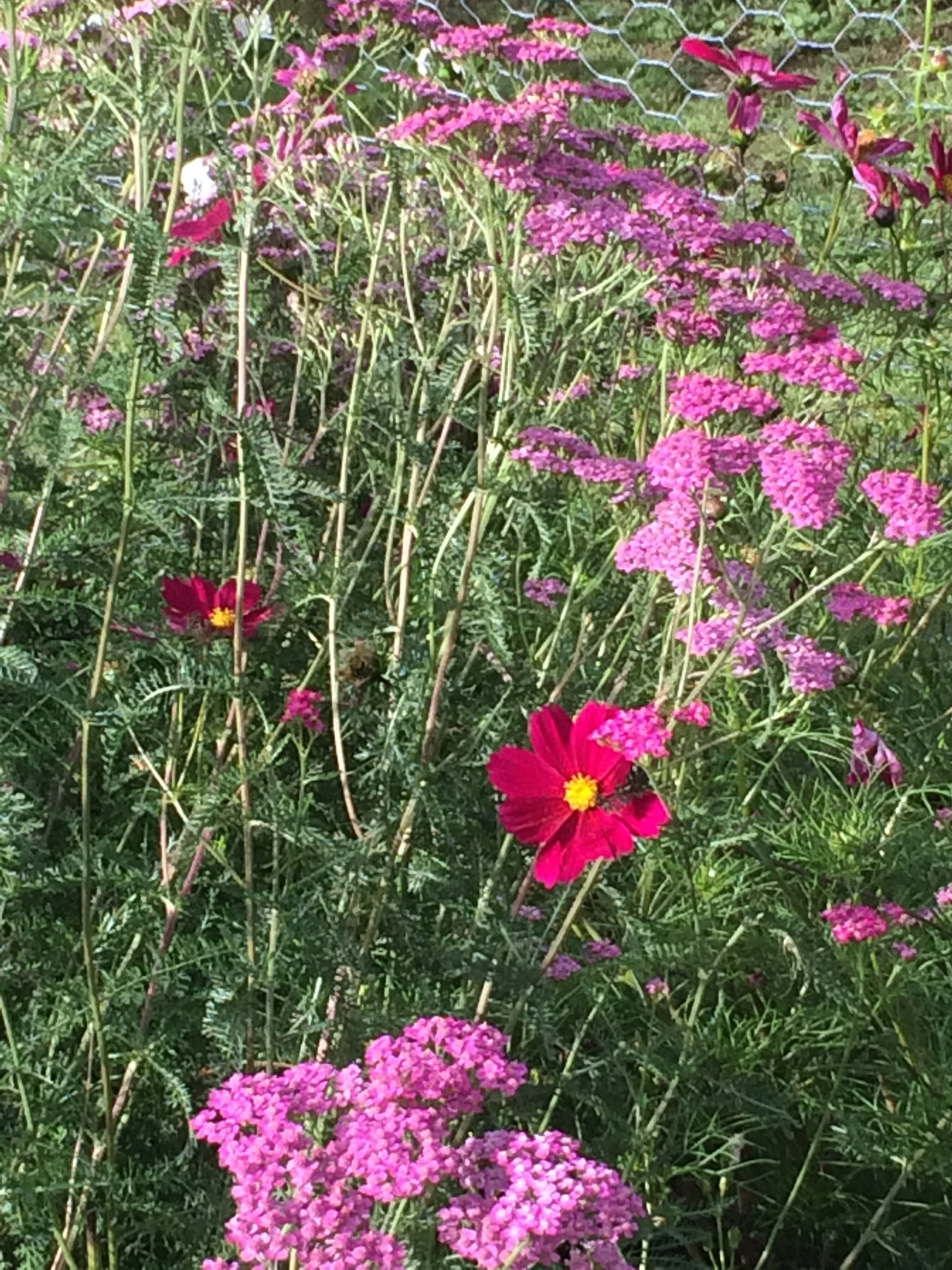
Achillea all around at the plot

A smudge of pink Achillea all around at the plot

One of the things I have learned this year is that I need to plan and prepare more carefully. Last year the plot became too much an overflow for plants I didn’t sell at the market (like the different and lovely shades of pink of the Higgledy Garden knautia), but these weren’t necessarily the plants best for producing cut flowers and took up quite a lot of space. So as mentioned before, next year will I focus on a narrower range. The mainstays will be cornflowers, love in a mist, larkspur, dahlias and sweetpeas. And of course, there will be others  like sunflowers and scabious, but will try not to do as much random and at a whim planting as last year. If I do, will try and keep it to the allotment and garden. Still not decided for or against roses at the plot.

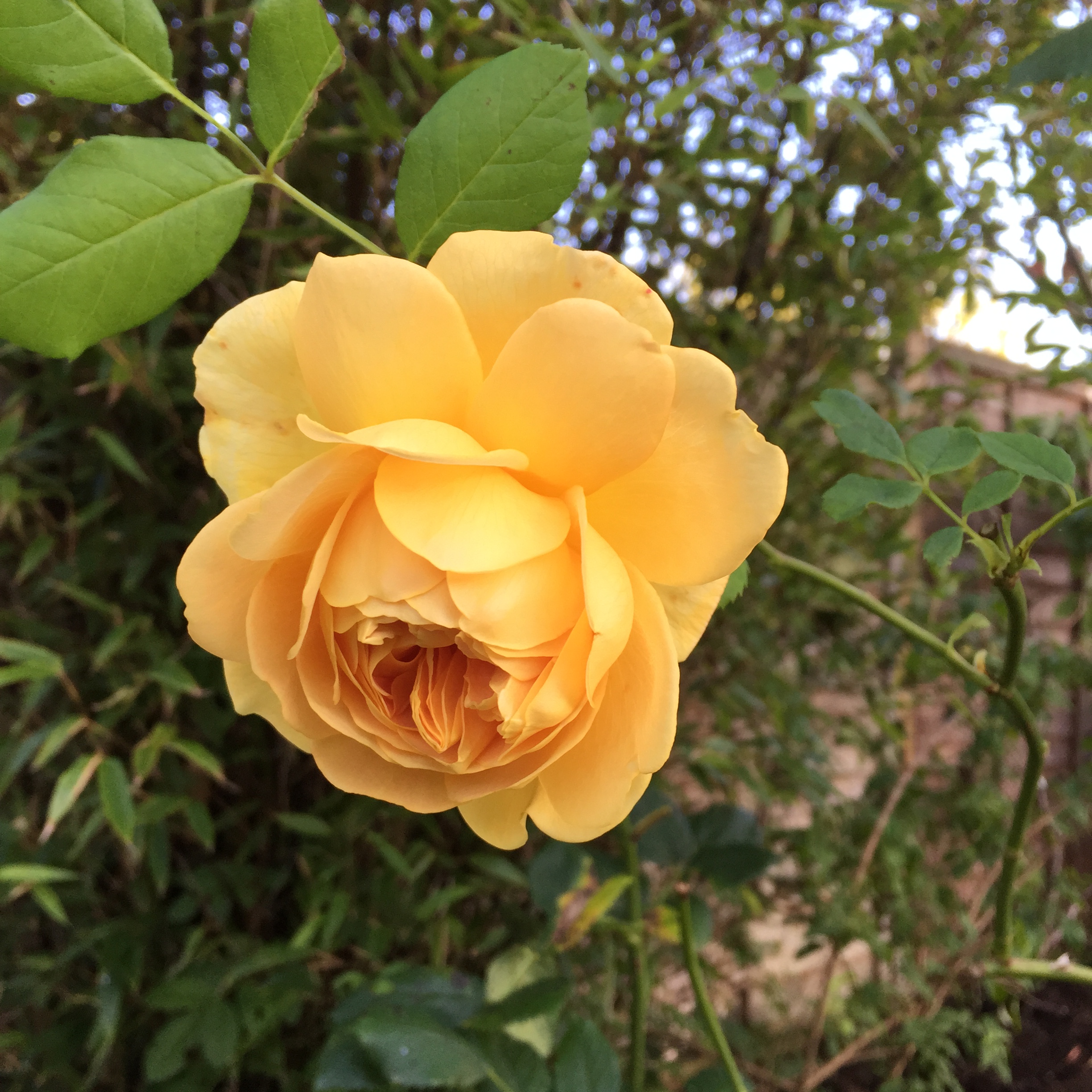
Beautiful rose Graham Thomas late blooming in garden. perhaps one for the plot next year.

Beautiful rose Graham Thomas late blooming in garden. perhaps one for the plot next year.

So the cycle begins again preparing for next Spring. Slowly bulbs are going into pots and into the ground. Cornflower and larkspur seeds have germinated and sweetpeas have just been sown in root trainers. Packets of mixed colours and varieties first and in a couple of weeks varieties just ordered such as ‘King Edward VII’, ‘Albutt Blue’ and ‘High Scent’ – all recommended in a recent trial of Gardening Which. October & January are my planting months for Sweetpeas and probably next Spring for anymore hardy annuals.

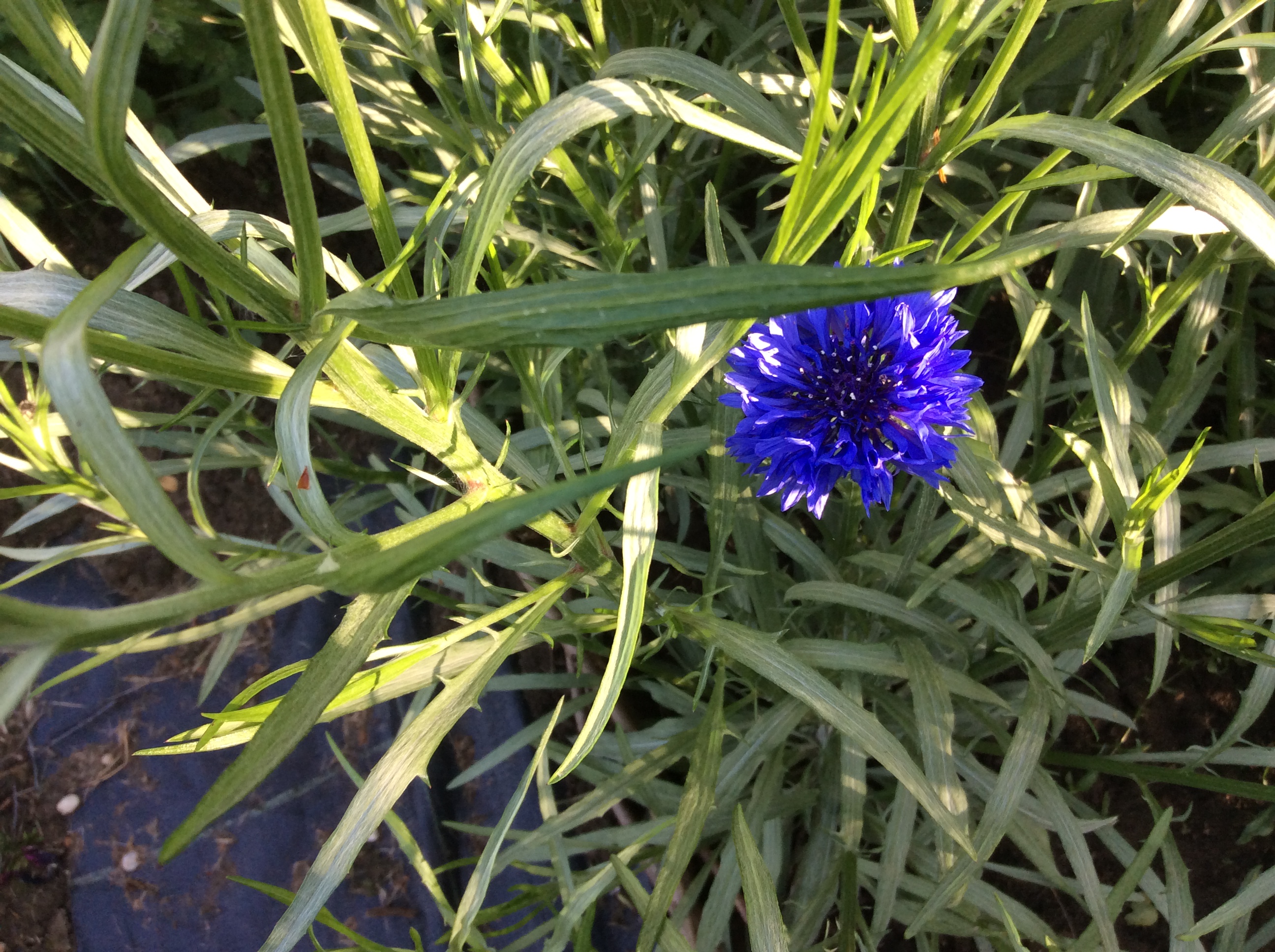
The first cornflower at the plot this year

The first cornflower at the plot this year

Posted in Uncategorized | Tagged , , , , , , , , , , , , , | Leave a comment